
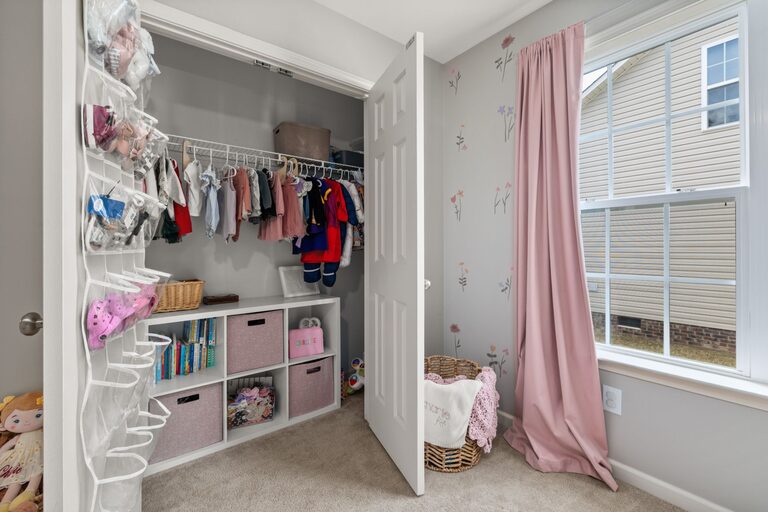
Changing your wardrobe for a new season can make your home feel fresher and more organised. However, storing clothing carelessly can lead to wrinkles, fading, musty smells, pests, or unnecessary clutter.
With a simple system, you can protect your clothes and make them easy to find when the weather changes. The key is to clean items before storing them, choose the right containers, and keep everything labelled and accessible.
Start by sorting your clothes
Before packing anything away, review what you own. Seasonal storage is a good opportunity to decide which items you still wear and which ones no longer suit your needs.
Create four groups:
– Keep and store
– Keep for the current season
– Donate or give away
– Repair or recycle
Be realistic when sorting. If an item has not been worn for several seasons, does not fit comfortably, or needs repairs you are unlikely to complete, it may be time to let it go.
Set aside versatile pieces that can be worn throughout the year. Light cardigans, plain shirts, jeans, and some activewear may not need to go into long-term storage.
Clean every item before storing it
Clothing should be clean and completely dry before it goes into storage. Small traces of food, body oils, or perspiration can attract insects and create unpleasant odours over time.
Check the care label and wash or clean each item as recommended. Pay special attention to:
– Coats and jackets
– Wool and cashmere
– Formal clothing
– Swimwear
– Hats, scarves, and gloves
– Shoes and boots
Allow washed clothing to dry fully before packing it away. Even slightly damp fabric can develop mildew in a closed container.
For items that require professional cleaning, avoid storing them in the thin plastic covers used for transport. These covers are designed for short-term use and may trap moisture. Instead, use a breathable garment bag once the item is clean and dry.
Choose suitable storage containers
The best container depends on the fabric, the available space, and how often you need to access the clothing.
Fabric storage bags
Breathable fabric bags are useful for coats, dresses, suits, and other hanging garments. They allow air circulation while protecting clothing from dust and light.
Choose bags made from cotton or another breathable material. Avoid overcrowding them, as compressed garments are more likely to wrinkle.
Plastic storage bins
Plastic bins provide protection from dust, moisture, and pests. They are suitable for folded clothing, accessories, and sturdy footwear.
Use clean, dry bins with secure lids. Clear bins make it easier to see what is inside, while opaque bins can provide better protection from light. Do not pack clothing too tightly, because the fabric needs room to breathe and should not be crushed for months at a time.
Vacuum storage bags
Vacuum bags can save space, especially for bulky items such as winter coats, ski clothing, and spare bedding. However, they are not ideal for every fabric.
Avoid long-term vacuum storage for delicate wool, leather, down, or structured clothing. Strong compression may damage the shape or reduce the loft of some materials. If you use vacuum bags, check the care instructions first and reserve them for suitable, durable items.
Fold clothing correctly
Fold clothing along natural seams to reduce creasing. Place heavier items at the bottom of a container and lighter garments on top.
For extra protection, line the container with clean, acid-free tissue paper. Tissue can help reduce sharp folds and protect delicate fabrics from rubbing against one another.
Use these folding tips:
– Fold knitwear rather than hanging it, as hangers can stretch the shoulders.
– Stack jeans and heavier trousers at the bottom.
– Fold T-shirts and casual tops loosely.
– Place delicate items in separate fabric pouches.
– Avoid storing clothing in tightly compressed piles.
– Keep buttons, zippers, and decorations from pressing directly against delicate fabric.
Some garments, such as linen, may still wrinkle even when folded carefully. If possible, leave a little space around them so they are not pressed tightly by other items.
Hang the right garments
Some seasonal clothing is better stored on hangers. Structured jackets, dresses, skirts, and trousers can lose their shape if folded for long periods.
Use sturdy, appropriately sized hangers. Padded hangers work well for delicate garments, while wooden or strong plastic hangers are useful for heavier pieces. Avoid wire hangers, which can leave marks and distort fabric.
Fasten buttons and zippers before hanging items. This helps garments keep their shape and prevents hardware from catching on nearby clothing. Leave enough room between garments for air to circulate.
For long-term storage, use breathable garment bags. Do not place clothes in a sealed plastic cover unless the care instructions specifically recommend it.
Protect shoes and accessories
Shoes should be cleaned and dried before storage. Remove dirt from soles and wipe the outside according to the material. Leather shoes may benefit from a suitable conditioner, while suede should be cleaned with the appropriate brush.
Store shoes in their original boxes, breathable shoe bags, or separate containers. Avoid piling them together, as this can cause scuffs and deform their shape. Stuff boots and shoes with acid-free tissue paper or clean boot shapers to help them keep their form.
Accessories can be organised in smaller pouches or boxes:
– Store scarves by rolling or folding them loosely.
– Keep gloves together in a labelled pouch.
– Place hats in a box so they are not crushed.
– Store belts flat or loosely rolled.
– Keep jewellery and small accessories in separate compartments.
Choose the storage location carefully
A cool, dry, dark location is best for seasonal clothing. Avoid areas with frequent temperature changes or high humidity, such as damp basements, sheds, and garages.
Keep containers off the floor by placing them on shelving or a raised platform. This protects them from minor spills and makes cleaning easier.
Avoid storing clothing directly beside heaters, vents, or sunny windows. Heat and sunlight can fade fabric, weaken fibres, and dry out leather. If the storage area tends to be humid, improve ventilation before placing clothing there.
Label everything clearly
A good labelling system saves time when you need a particular item. Write a short description on each container, such as:
– Winter coats and scarves
– Summer clothes
– Beachwear and sandals
– Wool jumpers
– Children’s seasonal clothing
You can also note the contents on the side of the container, not only on the lid. This makes items easier to identify when bins are stacked.
Keep a simple list on your phone or in a notebook if you store many containers. Include the container number and a brief description of its contents.
Review stored clothing regularly
Seasonal storage should not be completely forgotten. Check stored clothing when you change your wardrobe. Look for signs of moisture, unusual odours, insects, or damaged containers.
Air out clothing before wearing it again. Wash or freshen items as needed, and repair small problems before returning them to storage. This prevents minor issues from becoming more difficult to fix later.
At the end of each season, adjust your system. If you never use certain items, move them to the donation pile. If you often need something from storage, consider keeping it in a more accessible place.
Make seasonal changes easier
A consistent routine makes wardrobe changes quicker and less stressful. Set aside a few hours at the start and end of each season to sort, clean, pack, and label your clothing.
Store the items for the next season near the front of your storage area so they are easy to reach. Keep frequently used accessories in a separate, accessible container. With the right containers and a clear labelling system, seasonal clothes can stay clean, protected, and ready whenever you need them.