Planning meals from pantry staples is a practical way to make cooking easier, use what you already have, and reduce unnecessary grocery trips. Staples such as rice, pasta, canned beans, tinned tomatoes, flour, oats, and spices can become the foundation for many different meals.
The key is not to prepare the same dish repeatedly. Instead, think of pantry ingredients as building blocks. With a few fresh or frozen additions, you can create soups, pasta dishes, grain bowls, casseroles, breakfasts, and simple baked goods.
Start with a pantry inventory
Before planning meals, take a quick look at what you have. Group ingredients by type so they are easy to find.
Common pantry categories
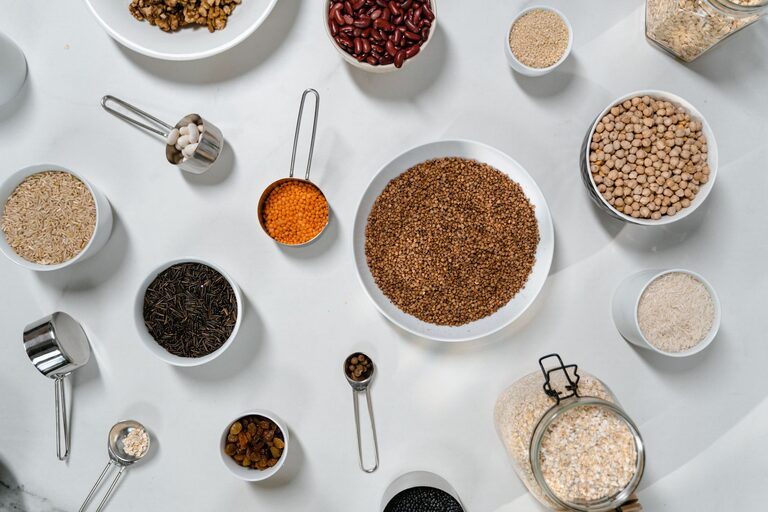
– Grains: rice, pasta, couscous, oats, barley, and quinoa
– Canned goods: beans, lentils, tomatoes, corn, peas, and fruit
– Baking supplies: flour, baking powder, sugar, and breadcrumbs
– Cooking basics: oil, vinegar, stock, and canned coconut milk
– Flavourings: spices, dried herbs, soy sauce, mustard, and hot sauce
– Protein options: canned fish, peanut butter, nuts, seeds, and dried legumes
Check the dates and place older items near the front. Look for open packages that should be used soon. You may also find ingredients that can be combined, such as half a bag of rice, a can of beans, and a jar of salsa.
Write down five to ten ingredients you would like to use during the coming week. This list will give your meal plan a clear starting point.
Build meals around a simple formula
A flexible meal formula can help you create balanced dishes without following a detailed recipe. Try combining:
- A base, such as rice, pasta, potatoes, oats, or bread
- A protein source, such as beans, lentils, eggs, canned fish, tofu, nuts, or seeds
- Vegetables, using fresh, frozen, or canned options
- A sauce or seasoning, such as tomato sauce, curry spices, pesto, or vinaigrette
For example, rice, canned chickpeas, frozen vegetables, and curry powder can become a quick one-pot meal. Pasta, canned tomatoes, white beans, and dried herbs can be turned into a hearty supper.
This approach also makes substitutions easier. If you do not have chickpeas, use lentils or another type of bean. If you are out of rice, try pasta, barley, or couscous.
Choose a weekly meal pattern
Rather than planning seven completely different recipes, create a loose pattern for the week. This saves time and allows ingredients to be used in more than one meal.
A sample plan might include:
– Monday: a one-pot rice or pasta meal
– Tuesday: soup or stew
– Wednesday: leftovers or grain bowls
– Thursday: a pantry-based casserole
– Friday: homemade pizza, flatbreads, or quesadillas
– Saturday: breakfast foods for dinner
– Sunday: a larger meal that creates leftovers
You can also plan by cooking method. For example, choose one stovetop meal, one oven meal, one slow-cooker meal, and one no-cook meal. A mix of cooking styles can make the week feel less repetitive.
Leave one or two meals unplanned. These can be used for leftovers, takeout, or meals made from ingredients that need to be eaten first.
Use one ingredient in several ways
Buying or opening an ingredient is more efficient when you have several uses for it. This is especially helpful with larger packages and canned goods.
For example, cooked rice can be used in:
– Rice bowls with beans and vegetables
– Fried rice with eggs and frozen vegetables
– Rice pudding with milk, cinnamon, and fruit
– Soup added near the end of cooking
A can of tomatoes can become:
– Pasta sauce
– Soup
– Chilli
– Shakshuka-style eggs
– A topping for baked vegetables or grains
Beans can be added to salads, mashed into spreads, stirred into soups, or seasoned for tacos and wraps. Planning several uses helps prevent food from sitting unused at the back of the cupboard.
Keep a small list of helpful fresh foods
Pantry meals become more varied when you keep a few fresh or frozen ingredients on hand. Choose foods that last for several days and work in different recipes.
Useful options include:
– Onions and garlic
– Carrots and cabbage
– Potatoes and sweet potatoes
– Apples and bananas
– Eggs
– Milk or a milk alternative
– Cheese
– Frozen mixed vegetables
– Frozen spinach
– Fresh herbs when available
These ingredients can add texture, colour, and flavour to basic pantry meals. Frozen vegetables are particularly convenient because they require little preparation and can be used in soups, stir-fries, pasta, and casseroles.
Plan breakfasts and lunches too
Meal planning often focuses on dinner, but breakfast and lunch can also benefit from pantry staples.
For breakfast, consider:
– Oatmeal with fruit, nuts, seeds, or peanut butter
– Toast with beans, eggs, or canned fish
– Homemade pancakes or muffins
– Yoghurt with oats and dried fruit
– Breakfast burritos with eggs, beans, and rice
For lunch, leftovers can be transformed into a different meal. Roasted vegetables can be added to a sandwich or wrap. Extra rice can become a salad or fried rice. Soup can be served with toast, crackers, or a simple side salad.
Preparing one large batch of a base ingredient, such as rice, lentils, or roasted vegetables, can make several lunches easier to assemble.
Create flavour variations
The same basic ingredients can taste very different with a change in seasoning. Keep a few flavour combinations in mind when planning meals.
Italian-inspired
Use tomatoes, garlic, dried basil or oregano, pasta, beans, and olive oil.
Mexican-inspired
Try beans, corn, rice, tomatoes, cumin, chilli powder, salsa, and lime juice.
South Asian-inspired
Combine lentils or chickpeas with curry powder, ginger, garlic, tomatoes, and coconut milk.
Mediterranean-inspired
Use chickpeas, grains, canned fish, lemon juice, herbs, olives, and a simple dressing.
East Asian-inspired
Try rice or noodles with vegetables, tofu or eggs, soy sauce, sesame oil, ginger, and garlic.
These combinations are not strict recipes. They are simple guides for choosing ingredients that work well together.
Shop only for what completes the plan
Once you have chosen your meals, make a short shopping list. Focus on missing ingredients rather than starting from scratch.
Your list might include:
– Two or three fresh vegetables
– A fruit for snacks or breakfast
– A protein source
– Dairy or a dairy alternative
– One or two flavour boosters
– Any staple that is nearly finished
Before buying, check your pantry again. It is easy to purchase duplicates, especially when several items look similar. A short list also makes shopping faster and helps keep the plan focused.
Make the plan flexible
A meal plan should guide you, not create extra pressure. Weather, schedules, and energy levels can change during the week, so leave room to adjust.
If you planned soup for a busy evening, prepare it earlier or move it to another day. If fresh vegetables need to be used quickly, bring that meal forward. If you have more leftovers than expected, replace a planned meal with them.
A simple weekly note can include the meal, ingredients to use, and preparation tasks. For example:
– Monday: tomato and bean pasta
– Tuesday: leftover pasta with a side salad
– Wednesday: rice bowls with frozen vegetables
– Thursday: lentil soup
– Friday: flatbreads using leftover vegetables
The best pantry meal plan is one that reflects your household, schedule, and cooking habits. Start with a few dependable staples, combine them in different ways, and adjust as you learn what works. With a little preparation, an ordinary pantry can provide the foundation for varied, satisfying meals throughout the week.