
A noisy home can make it harder to relax, work, sleep, or enjoy time with family. Sound may come from inside your home, such as televisions and appliances, or from outside, including traffic, neighbours, and construction.
The good news is that you do not need a major renovation to make your home quieter. Small changes can help reduce noise by blocking sound, absorbing echoes, or limiting vibrations. Try one or more of these simple ideas to create a calmer living space.
Start by Finding the Source of the Noise
Before buying materials or moving furniture, spend a few minutes identifying where the sound is coming from. Listen at different times of day and in different rooms.
Common sources include:
– Gaps around doors and windows
– Hard floors and bare walls
– Loud appliances
– Shared walls and ceilings
– Plumbing and heating systems
– Footsteps from upper floors
– Outdoor traffic or neighbourhood activity
Pay attention to the type of noise. A television or conversation may be reduced with soft furnishings, while vibration from a washing machine may require a stable base or anti vibration pads. Understanding the source helps you choose the most useful solution.
Seal Gaps Around Doors and Windows
Small openings can allow a surprising amount of sound into a room. Check the edges of exterior doors, interior doors, and windows for visible gaps or loose fittings.
Add Weatherstripping
Weatherstripping is an affordable material that can be placed around a door or window frame. It helps close narrow gaps and may also improve energy efficiency. Choose a type that suits the size of the gap and follow the product instructions for installation.
Install a Door Sweep
A door sweep covers the gap between the bottom of a door and the floor. It is especially helpful for bedrooms, home offices, and rooms facing a hallway or busy outdoor area.
For better results, make sure the door closes properly without rubbing against the floor. A sweep that is too tight may make the door difficult to open.
Check Window Fittings
Loose window locks or worn seals may let in both air and sound. Tighten hardware where needed and replace damaged seals. Thick curtains can provide another layer of noise control, particularly for windows facing roads or shared outdoor areas.
Use Rugs and Soft Furnishings
Hard surfaces reflect sound, which can make a room feel loud or echoing. Rugs, carpets, curtains, and upholstered furniture absorb some of these reflections.
Place rugs in areas where sound is most noticeable, such as:
– Living rooms with hardwood or laminate flooring
– Hallways
– Bedrooms
– Home offices
– Children’s play areas
A rug pad can make a rug more comfortable while also reducing movement and some impact noise. In open spaces, use several smaller rugs if a large one is not practical.
Curtains can help soften sound near windows and bare walls. Look for heavier, lined curtains and hang them so they extend beyond the window frame when possible. They will not completely block outside noise, but they can make a room feel less harsh and echoing.
Rearrange Furniture to Absorb Sound
Furniture placement can affect how sound moves through a room. Large, soft items help absorb sound, while empty walls and open floor areas allow it to bounce around.
Try these adjustments:
– Place a bookcase against a shared wall
– Position a sofa or armchair near a noisy wall
– Move beds away from thin walls where possible
– Add fabric cushions and throws to seating areas
– Avoid leaving large rooms completely empty
A full bookcase may help reduce sound travelling through a shared wall. Books of different sizes create an uneven surface, which can help soften echoes. Keep heavy furniture secure, particularly in homes with children or pets.
Reduce Echoes on Bare Walls
If a room sounds hollow when you speak or clap, it may need more sound absorbing materials. You can add wall art, fabric panels, tapestries, or canvas decorations to break up large, hard surfaces.
Try Fabric Wall Hangings
A thick tapestry or fabric wall hanging can add texture and reduce reflections. It can be a decorative alternative to permanent acoustic panels.
Add Acoustic Panels Carefully
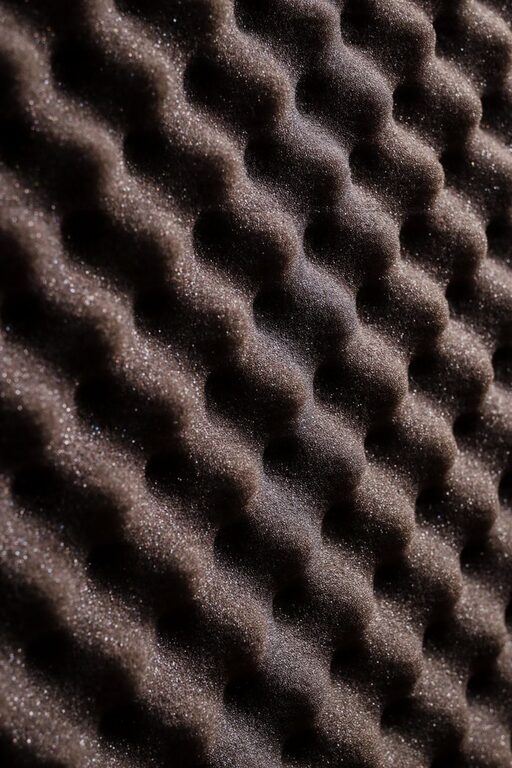
Acoustic panels are designed to absorb sound within a room. They are useful in home offices, media rooms, and areas where echoes are a problem. They work best when placed on walls that reflect sound, rather than covering every surface.
Choose panels that suit your room’s style and install them securely. If you rent your home, look for removable mounting options and check the rules before making changes.
Quiet Noisy Appliances
Appliances can create humming, rattling, and vibration. Start by checking that each appliance is level and standing on a stable surface.
For appliances such as washing machines and dryers:
– Leave enough space around the appliance
– Check that the feet are adjusted evenly
– Avoid overloading the machine
– Use anti vibration pads if suitable
– Keep doors and panels firmly closed
Do not place flammable materials around heat-producing appliances, and always follow the manufacturer’s instructions. If a machine suddenly becomes much louder, inspect it for loose parts or arrange professional servicing.
For smaller appliances, such as fans or air purifiers, place them on a firm, level surface. A thin rubber mat may reduce movement and rattling, provided it does not block ventilation.
Add Soft Materials to Home Offices
Working from home can be difficult when sound travels easily between rooms. A few changes can make a workspace more comfortable.
Use a rug under your desk and add curtains, a padded chair, or fabric wall decorations. If possible, position your desk away from a shared wall or place a full bookcase between your workspace and the noise source.
A door seal can help reduce sounds from the hallway. You may also use headphones for focused work, but taking regular breaks from them is a good habit for comfort.
Create a Quieter Bedroom
Noise can be particularly distracting in a bedroom. Begin with simple changes, such as adding a rug, using lined curtains, and sealing gaps around the door.
Keep noisy devices, such as fans or appliances, away from the bed when possible. If outdoor noise is the main issue, arrange the room so the bed is farther from the window or exterior wall.
A steady background sound, such as a quiet fan, may make occasional noises less noticeable. Choose a device with a comfortable volume and place it away from the bed.
Manage Noise Between Floors
Footsteps and dropped objects can travel between floors. If you live above another room, rugs and runners can reduce impact noise. Add felt pads to chair and table legs, and lift furniture rather than dragging it.
In a home with children, create a play area on a rug or padded mat. This gives them a comfortable place to play while reducing the sound of toys and movement on hard floors.
If noise between floors remains a serious issue, consider professional advice before changing ceilings or flooring. More extensive solutions may involve building materials, installation requirements, and local housing rules.
Build Quieter Habits
Daily habits can make a noticeable difference. Close doors gently, use soft closing pads on cupboards, and avoid dragging furniture across the floor. Place trays or mats under items that rattle, such as decorative objects or small appliances.
Set a reasonable volume for televisions and speakers, especially in rooms next to bedrooms or shared walls. Encourage household members to use headphones when appropriate and agree on quieter times during the evening.
Make One Change at a Time
You do not need to tackle every source of noise at once. Begin with the loudest or most disruptive problem, such as a gap under a door, a bare floor, or a vibrating appliance. Test the change for a few days before moving on to the next improvement.
Combining several small solutions often works better than relying on one product. Sealing gaps, adding soft furnishings, rearranging furniture, and changing a few household habits can help create a home that feels more peaceful without a major renovation.